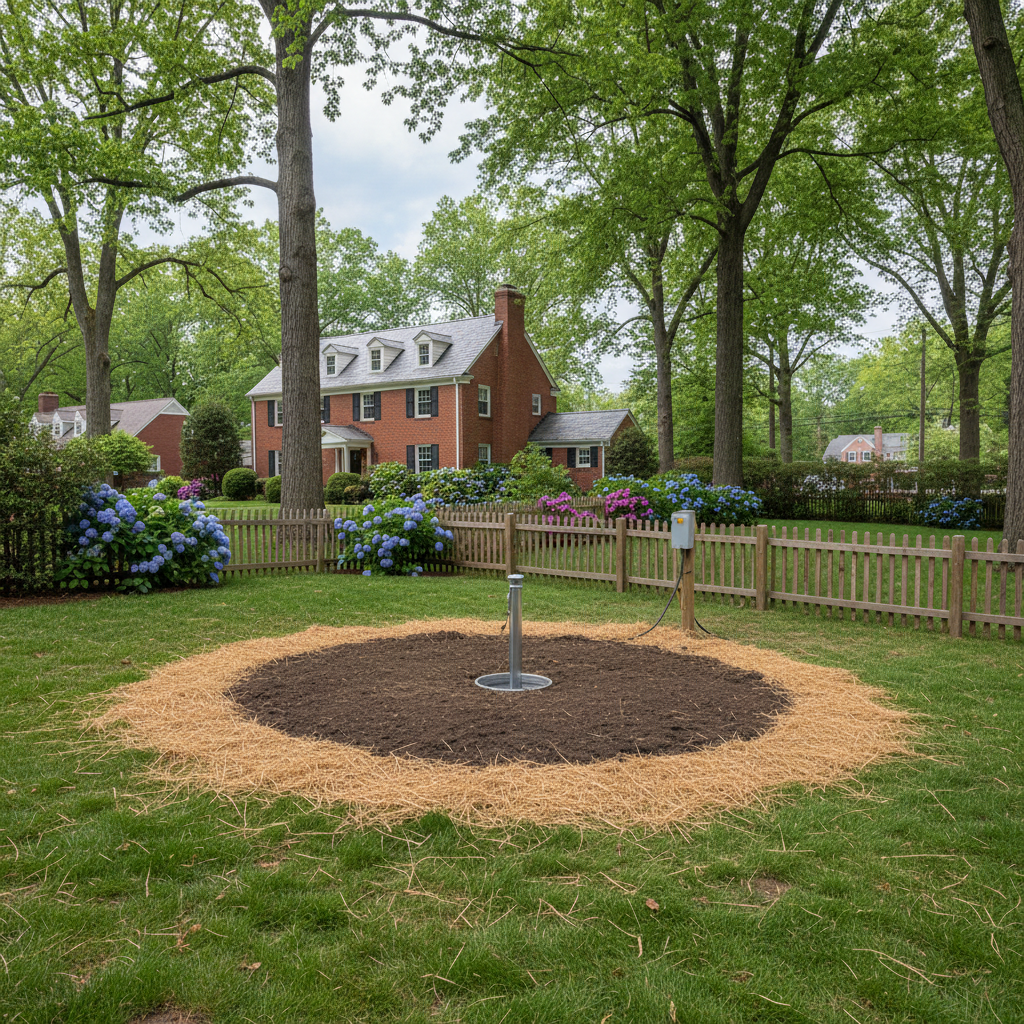
So, you're looking at an environmental drilling project for your property here in DC. Maybe it's for soil testing, groundwater monitoring, or something else entirely. Whatever the reason, it's a significant undertaking, and you want to make sure it goes smoothly. I've seen a lot of these projects over the years, and one thing's for sure: good planning makes all the difference.
Setting Your Project Timeline
Let's talk timelines first, because that's usually the first thing folks ask. Environmental drilling isn't like ordering a pizza; it's not happening in 30 minutes or less. Generally, you're looking at a multi-stage process, and each stage has its own rhythm.
- Initial Consultation & Site Visit: This is where it all starts. We come out, look at your property, discuss your goals, and figure out what kind of drilling is actually needed. This usually happens within a week or two of you reaching out.
- Proposal & Contract: Once we understand the scope, we'll put together a detailed proposal. This can take a few days to a week. Review it carefully, ask questions, and once you're happy, we sign the contract.
- Permitting: Ah, DC permitting. This is often the longest part of the process, and it's largely out of our hands. Depending on the scope and location—especially if you're in a historic district like Capitol Hill or Georgetown—permits from the Department of Energy & Environment (DOEE) or even the Department of Consumer and Regulatory Affairs (DCRA) can take anywhere from a few weeks to several months. We'll help you with the applications, but patience is key here.
- Scheduling the Work: Once permits are in hand, we can schedule the actual drilling. This depends on our current workload and crew availability, but typically we can get you on the calendar within 2-4 weeks.
- On-Site Drilling: The actual drilling itself can vary wildly. A simple soil boring might be a day's work. A complex monitoring well installation could take several days, especially if we encounter tricky geology, like the Potomac Group sediments that are common around here.
- Reporting & Follow-up: After the drilling, there's often lab analysis of samples, and then a report generation. This can add another few weeks to a month.
So, from first call to final report, you're realistically looking at a timeframe of 2 to 6 months, sometimes even longer for very complex projects. Don't let anyone tell you it's a quick turnaround for anything significant.
What to Expect During the Process
When our crew shows up, you'll see a drill rig – it's a big piece of equipment, often truck-mounted. It's going to be noisy, and there will be some disruption to your yard or paved areas, depending on where we're drilling. We do our best to minimize this, but it's the nature of the work.
You'll see us setting up safety perimeters, using specialized tools to advance the boreholes, and collecting samples. If we're installing monitoring wells, you'll see casing and screens going into the ground. We're professionals, and safety is always our top priority, both for our crew and for your property.
We'll communicate with you throughout the on-site work. If we hit something unexpected, like an old buried utility line (which happens more often than you'd think in older DC neighborhoods) or a particularly tough rock layer, we'll let you know immediately and discuss the best way forward.
How to Prepare Your Property
Preparation on your end makes a big difference. Here's what you can do:
- Clear the Area: Make sure the proposed drilling location is clear of anything valuable. Move garden furniture, planters, toys, and anything else you don't want getting dusty or potentially damaged.
- Mark Utilities: Before we even get there, you should call 811 (Miss Utility) to have public utilities marked. This is mandatory. But you also need to mark any private utilities – irrigation lines, septic systems, invisible dog fences, outdoor lighting cables, etc. If you don't know exactly where they are, try to provide us with a general idea. We can't be responsible for unmarked private lines.
- Access: Ensure we have clear access for our drill rig and support vehicles. This means clearing driveways, opening gates, and making sure there's enough space for us to maneuver. Our rigs need a certain amount of overhead clearance too, so trim back any low-hanging branches if they're in the way.
- Inform Neighbors: It's a good idea to give your immediate neighbors a heads-up. A drill rig is loud, and it's a courtesy to let them know there will be some temporary noise and activity.
- Secure Pets: Keep pets indoors or secured away from the work area for their safety and ours.
Questions to Ask Before Signing a Contract
Before you commit to any driller, make sure you've got all your questions answered. Don't be shy; it's your property and your money.
- What specific permits are needed, and who is responsible for obtaining them? (At Charis Well Drilling, we can guide you through this, but it's good to know the full scope.)
- What's your plan for site restoration after drilling? Will you re-seed grass, replace pavers, or just backfill? Be clear on expectations.
- What are the potential additional costs? Ask about things like encountering rock, unexpected utility conflicts, or needing to bring in special equipment. Get it in writing if possible.
- How do you handle waste materials? Drilling generates soil cuttings and sometimes water. How will these be managed and disposed of?
- What are your insurance coverages? Ask for proof of liability insurance and workers' compensation. You want to make sure you're protected.
- Can you provide references from other environmental drilling projects you've done in the DC area? Hearing from previous clients is always a good sign.
- What's your communication plan during the project? Who will be my main point of contact, and how often can I expect updates?
Choosing the right driller for your environmental project is crucial. Take your time, do your homework, and ask all the tough questions. We're here to help make sure your project is done right, safely, and efficiently. Give us a call when you're ready to start planning.