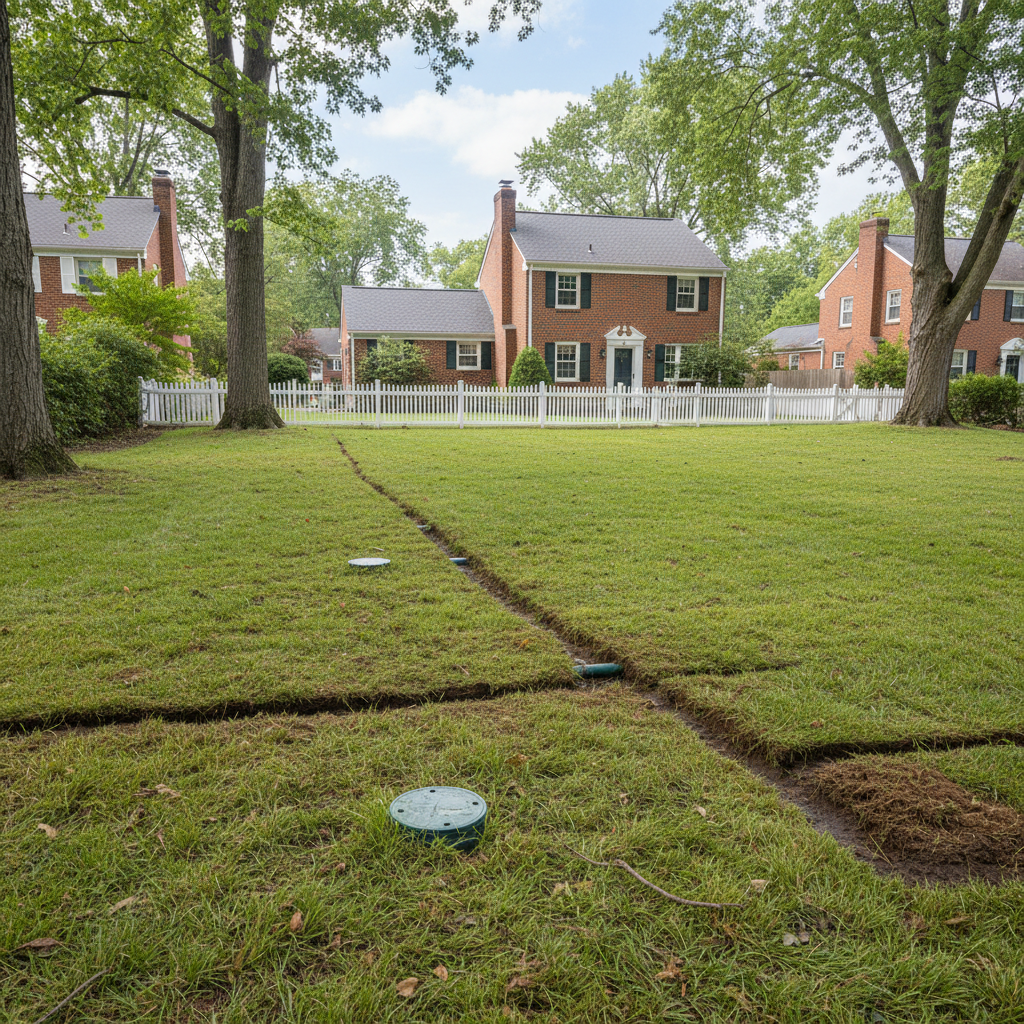
Geothermal heating and cooling? For many homeowners around here, it's just a smart move. It's super efficient, really reliable, and honestly, it can save you a ton on utility bills over the long haul. But before you dive in, you're probably wondering about the upfront cost. And that's totally fair. It's a big investment, no doubt, and I want to give you a really clear picture of what to expect when you're looking at geothermal drilling in Washington, DC.
So, What Makes the Price Tag Tick?
You've heard it a million times: "it depends." And yeah, to some extent, it does. But we can definitely get a lot more specific than that. When I'm putting together a quote for a geothermal system, I'm always looking at a few key things:
- System Size: This is probably the biggest factor in the whole equation. How big is your house, anyway? How well insulated is it? What kind of heating and cooling load are we talking about? A larger home, or one that just sucks up more energy, will need a bigger system, and that means more drilling. We're usually talking about the total tonnage of the system here. A typical residential setup might be anywhere from 2 to 6 tons.
- Ground Conditions: This is where our local DC geology really comes into play. We've got a real mix of stuff under our feet, from soft sediments down near the Potomac to some pretty hard bedrock in parts of Northwest. Drilling through solid rock, though sometimes necessary, takes more time, specialized equipment, and yep, it costs more than drilling through softer soil. We always assess this early on, by the way.
- Loop Field Type: Good news, you've got options here. Vertical loops are the most common choice in urban areas like DC because they don't eat up much surface area. They go deep, sometimes hundreds of feet. Horizontal loops are cheaper per foot, sure, but they need a lot more land, which most folks in DC just don't have. Pond loops are an option if you're lucky enough to have a decent-sized pond on your property. Most of the time, though, we're talking vertical.
- Drilling Depth and Number of Bores: This connects right back to system size and those ground conditions we talked about. A 4-ton system, for example, might need three 300-foot bores. Or maybe two 450-foot bores. It just depends on the heat exchange requirements and how conductive the soil is. The deeper and more numerous the bores, the higher that drilling cost gets.
- Accessibility: Can we even get our drilling rig into your backyard easily? Tight city lots, narrow alleys, or steep grades can make access a real headache. If we have to use smaller equipment or spend extra time maneuvering, well, that can definitely add to the cost.
Typical Cost Ranges in DC
Alright, let's talk some actual numbers. For a complete geothermal system installation in the DC area — and this includes the drilling, the heat pump unit, and the indoor distribution system — you're generally looking at a range of $25,000 to $45,000 or more for a typical residential property. This isn't just drilling, mind you; it's the whole shebang.
Breaking down the drilling specifically, you can expect to pay anywhere from $10 to $25 per linear foot for vertical boreholes. So, if your home needs, say, 900 linear feet of drilling (that's like three 300-foot bores), that alone could run you $9,000 to $22,500. Just remember, that's only the drilling part of the equation.
A smaller, 2-3 ton system for a modest row house might land on the lower end of that spectrum, while a larger 5-6 ton system for a bigger detached home in, say, Chevy Chase, could easily push you towards the higher end.
What's Included in a Charis Well Drilling Quote?
When you get a quote from us, we really aim for transparency. Here's what you'll typically see:
- Site Assessment: We'll come out, check your property, chat about your energy needs, and take a look at access.
- System Design: Based on what we find, we'll design a loop field that's just right for your home's specific heating and cooling load.
- Drilling Costs: This covers the actual drilling of the boreholes, including all the labor, equipment, and materials like the HDPE piping we use for the loops.
- Grouting: We fill the boreholes with thermal grout to make sure heat transfers well and to seal the bore.
- Manifolding: This is where we connect all those individual loops together at the surface.
- Trenching: We dig the trenches to link the loop field to your home's mechanical room.
- Pressure Testing: We make sure the loop system is totally leak-free before we backfill everything.
- Permitting: We handle all the necessary permits with the DC Department of Consumer and Regulatory Affairs (DCRA) or any other relevant agencies.
What's usually *not* included in our drilling quote, but will be part of your overall geothermal project, is the cost of the indoor heat pump unit itself, any ductwork modifications, electrical upgrades, and the final commissioning of the system. We can often recommend trusted HVAC partners for those parts, though.
How to Avoid Overpaying
You don't want to leave money on the table, and I totally get that. Here's how to be smart about this investment:
- Get Multiple Quotes: Don't just go with the first company you call, okay? Get quotes from at least three reputable geothermal drilling contractors. Compare not just the price, but what each quote actually includes.
- Understand the Scope: Make sure every quote is for the exact same scope of work. Are they all suggesting the same system size and loop field design? Ask questions if something looks different.
- Check References and Experience: Geothermal drilling isn't something you want a rookie doing. Ask for references, check online reviews, and make sure they have a solid track record, especially with geothermal in urban environments like DC.
- Ask About Warranties: What kind of warranty do they offer on their drilling work and the loop field?
- Look for Incentives: Don't forget about federal tax credits and any local DC incentives that might be available for renewable energy systems. These can really cut down your net cost. The federal tax credit, for instance, is currently 30% of the installed cost — that's a huge chunk of change back in your pocket!
Geothermal is a fantastic investment for your home and the environment. It's a big decision, but with the right information and a clear understanding of the costs, you can absolutely make it work for you. If you've got questions or want to talk about a specific project, please don't hesitate to reach out to Charis Well Drilling. We're here to help.