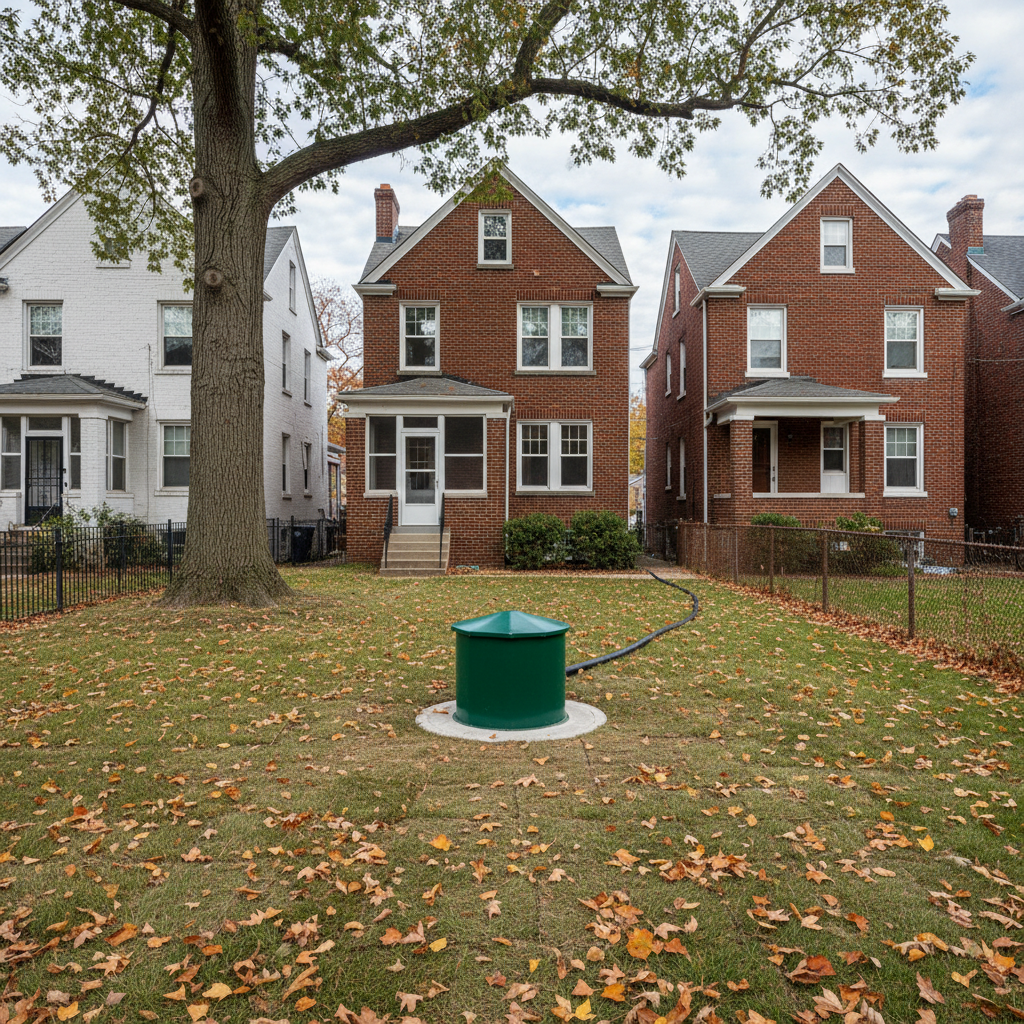
When's the best time to drill a well around here? It's a question I get a lot, and for good reason. Washington D.C.'s weather isn't always predictable, and that definitely impacts what we do at Charis Well Drilling. You've got to think about more than just the immediate forecast when you're planning a project as important as your water source.
Timing Your Well Drilling Project
Honestly, there's no single 'perfect' day or month for drilling, but there are definitely better windows and times you want to avoid if you can help it. What we're mainly battling here are extreme weather conditions and ground saturation.
- Spring (Late March to Early June): This is often a good sweet spot. The ground has usually thawed out from winter, but we haven't hit the really intense summer heat and humidity yet. Soil conditions are generally workable, and we're less likely to run into frozen ground or excessive mud from heavy, prolonged rains.
- Fall (September to November): Another excellent window. The summer heat has broken, and the ground is typically drier than in spring. You avoid the risk of deep freezes that can make drilling tough, and you're usually clear of the really wet periods.
- Summer (June to August): We can certainly drill in the summer, but you need to be prepared for potential delays. Heavy thunderstorms are common, and they can turn a site into a muddy mess in a hurry, especially in areas with clay-heavy soils like you find in parts of Northwest D.C. or Montgomery County. Extreme heat also means we have to take more breaks for the crew's safety, which can slow things down.
- Winter (December to March): This is usually the toughest time. Frozen ground makes drilling harder, slower, and more expensive. Equipment can be harder to operate, and the risk of pipes freezing on site is real. If it's an emergency, we'll do it, but for planned projects, I'd suggest waiting if you can.
Ultimately, when you call us, we'll talk through the current conditions and what to expect. We're not going to start a job if it's going to compromise the quality or safety of the work.
Weather Conditions That Affect Drilling
Beyond just the season, specific weather events can really throw a wrench in our plans. You wouldn't think a little rain would matter, but trust me, it does.
- Heavy Rain: This is probably the biggest culprit for delays. Saturated ground means mud, and lots of it. Our heavy equipment can get stuck, and it makes the site unsafe and inefficient. It also increases the risk of soil collapse in the bore hole before casing can be installed.
- Freezing Temperatures: As I mentioned, frozen ground is tough to drill through. It's like trying to drill through concrete. Plus, water lines can freeze, and our equipment isn't designed to operate in extreme cold for extended periods without issues.
- High Winds: While not as common for drilling, high winds can be a safety concern, especially if we're dealing with tall equipment or materials that could become airborne.
- Extreme Heat: It's a safety issue for my crew. We take heat stress seriously, so on those scorching 95-degree D.C. days, we'll adjust our schedule to ensure everyone stays safe and hydrated.
We monitor the forecast closely, and if we see something coming that's going to impact the job, we'll be in touch to reschedule or adjust. Your safety and the quality of your well are always our top priorities.
Protecting Your Well Investment Year-Round
Once you've got your well, the work isn't over. You've made a significant investment, and protecting it means thinking about it all year long.
- Winterizing Your Well: This is huge, especially if you have any above-ground components or lines that aren't buried deep enough. Make sure your well cap is secure and sealed to prevent anything from getting in. If you have a well house or pump house, ensure it's properly insulated and heated to prevent pipes from freezing. A frozen well line can lead to costly repairs and no water when you need it most.
- Spring Checks: After the thaw, take a look around your wellhead. Is there any standing water? Has any debris accumulated? Check for any signs of damage to the well cap or casing. Heavy spring rains can sometimes lead to surface water runoff pooling around the well, which you want to avoid to prevent contamination.
- Summer Maintenance: Keep the area around your well clear of vegetation. You don't want roots growing too close or creating a haven for pests. Also, be mindful of any landscaping or digging projects near the well. You don't want to accidentally damage underground lines.
- Fall Prep: As leaves fall, clear them away from your wellhead. You don't want decaying organic matter accumulating. This is also a good time to check your well house insulation and heating one last time before the really cold weather sets in.
- Regular Water Testing: No matter the season, regular water testing is crucial. I recommend testing at least once a year for bacteria and nitrates, and more frequently if you notice any changes in taste, odor, or clarity. It's the best way to ensure your water remains safe and healthy for your family.
Taking these steps throughout the year won't just protect your investment; it'll give you peace of mind knowing you've got a reliable, safe water supply. If you've got questions about your well or are thinking about drilling, give us a call. We're always here to help.