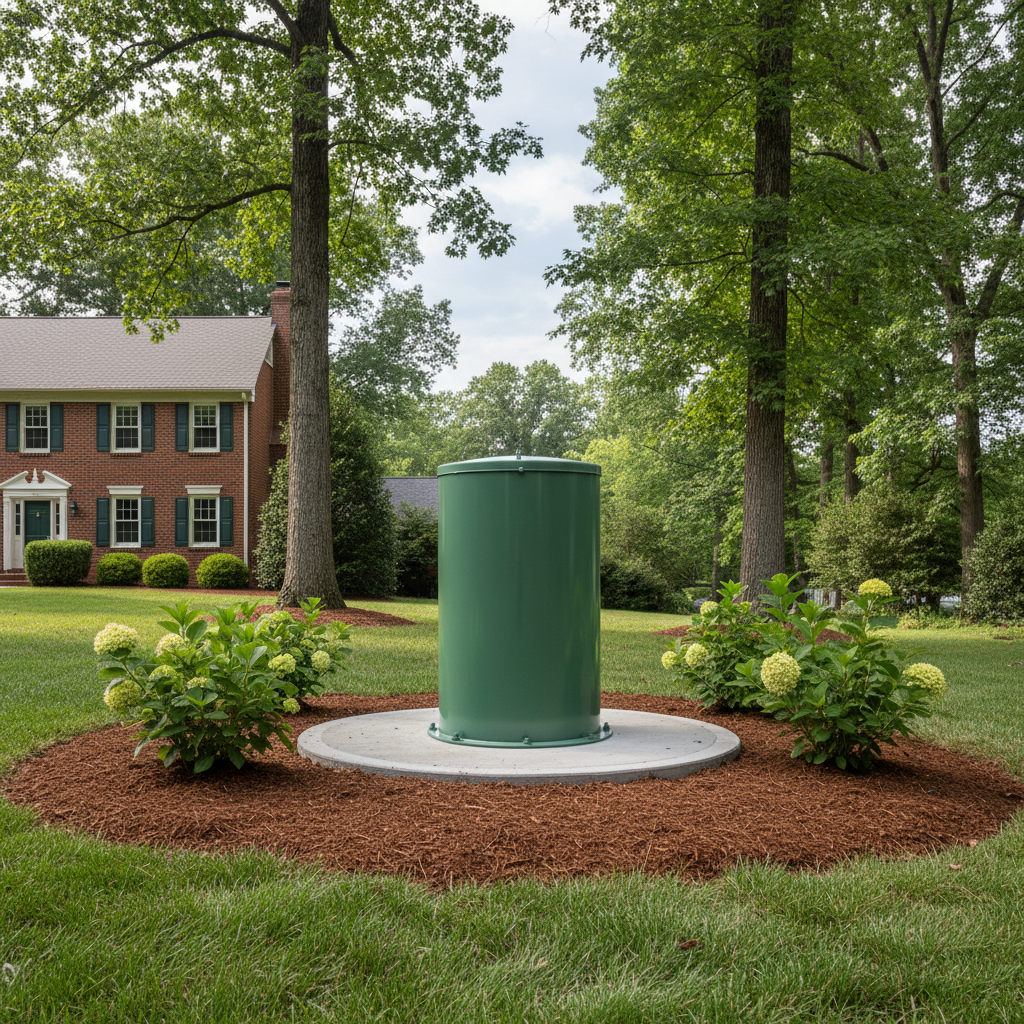
You've got a well, which means you've got a pump working hard for you every single day. It's easy to forget about it until it stops working, right? But neglecting your well pump is like ignoring the check engine light in your car – eventually, you're going to be stranded. Here in DC, with our varying seasons and sometimes unpredictable weather, proper pump maintenance isn't just a good idea, it's essential for reliable water.
Extending Your Pump's Lifespan: Smart Habits
Let's talk about getting the most out of your investment. A well-maintained pump can last for years, sometimes decades, but it doesn't happen by accident. It starts with how you use it and a few simple habits.
- Don't Overwork It: This might sound obvious, but avoid running your pump constantly. If you're irrigating a large lawn, consider breaking it up into shorter cycles. Excessive, continuous use puts a lot of strain on the motor and internal components.
- Keep Your Well Clean: Sediment is a pump killer. If you've got a lot of sand or grit coming into your well, it's like sandpaper on your pump's impellers. This is especially true in areas of DC where we see a lot of clay and fine silt in the soil, like parts of Anacostia or near the river. A good well screen and proper well development go a long way, but if you notice cloudy water or sediment, get it checked out.
- Protect from Surges: Power surges, especially during our summer thunderstorms, can fry electronics. Installing a surge protector for your pump's control box is a small investment that can save you big money down the line.
- Maintain Your Pressure Tank: Your pressure tank works hand-in-hand with your pump. If the air charge in your tank is off, your pump will cycle more frequently, leading to premature wear. You should check the pressure in your tank annually, usually when the tank is empty of water.
Regular Maintenance: What You Can Do
You don't need to be a well expert to do some basic checks. A little vigilance goes a long way.
- Listen to Your Pump: Get familiar with the sounds your pump makes when it's operating normally. Does it hum smoothly? If you start hearing grinding, clanking, or excessive vibration, that's a red flag.
- Check Your Water Pressure: Keep an eye on your household water pressure. A sudden drop or fluctuation could indicate a pump issue, a problem with your pressure tank, or even a leak in your system.
- Monitor Your Electric Bill: A pump that's working harder than it should, or cycling too often, will use more electricity. If your power bill suddenly jumps without an obvious reason, your pump might be the culprit.
- Inspect for Leaks: Periodically check around your well head and pressure tank for any signs of water leaks. Even small drips can indicate a larger problem developing.
Warning Signs of Trouble: Don't Ignore These
Your pump will usually try to tell you it's having issues before it completely quits. Pay attention to these common warning signs:
- No Water or Low Water Pressure: This is the most obvious one. If you turn on the faucet and nothing comes out, or it's just a trickle, your pump is definitely in distress.
- Pump Cycles On and Off Frequently: This is called