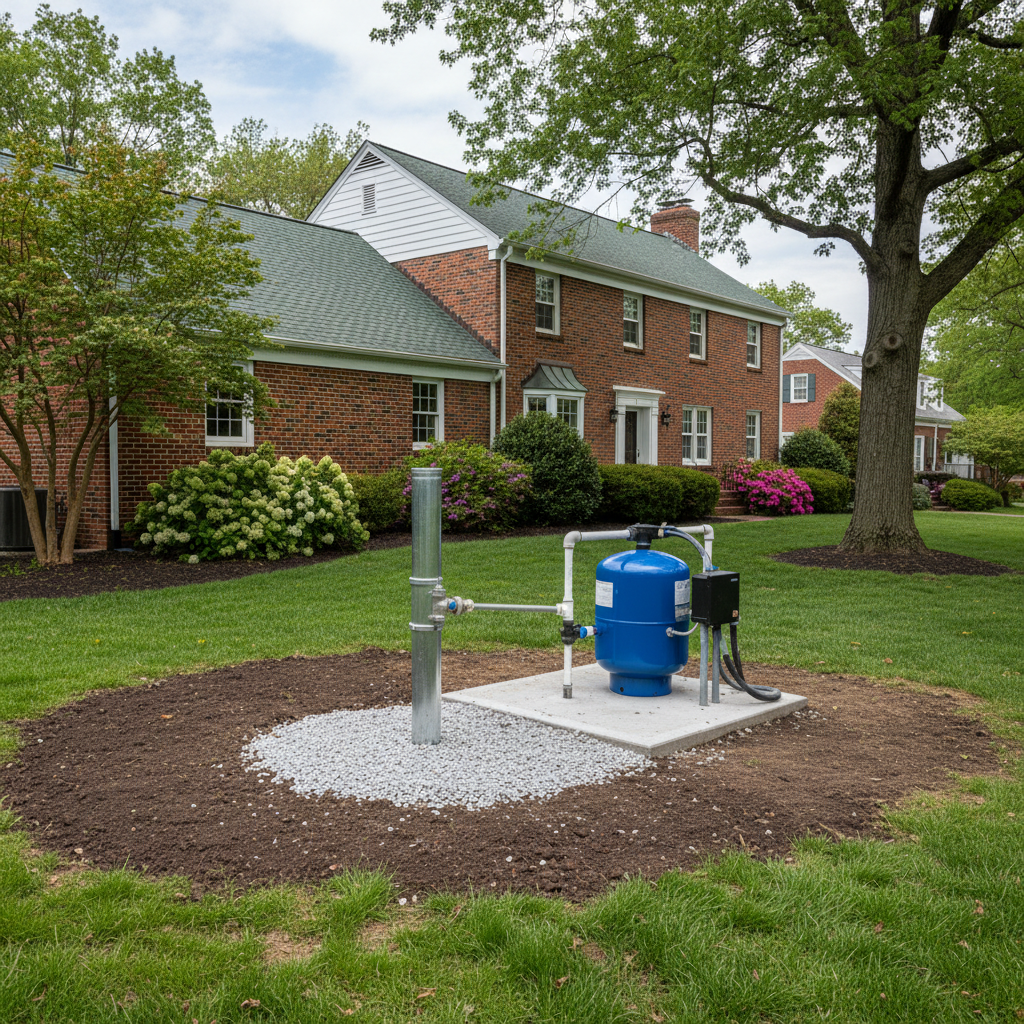
So, you need a new well pump installed. Maybe your old one finally gave out, or you're putting in a new well altogether. Whatever the reason, you're probably wondering what this whole thing is going to set you back. It's a big investment, and you don't want to get fleeced. I've been doing this work around DC for years, and I've seen all kinds of situations. Let's talk about what actually goes into the price.
What Affects the Price of a Pump Installation?
There isn't a single flat fee for pump installation, and anyone who tells you there is probably isn't being upfront. Here's what really influences the cost:
- Type of Pump: This is a big one. Are we talking about a submersible pump, which goes down into the well, or a jet pump, which sits above ground? Submersibles are generally more common for deeper wells and tend to be more expensive to install because they require specialized equipment to lower and retrieve. Jet pumps are cheaper to buy and easier to install, but they're limited by how deep they can draw water.
- Well Depth: A deeper well means more pipe, more wire, and more labor to get the pump down there and connected. If your well is 300 feet deep, that's a lot more work than a 100-foot well.
- Pump Horsepower (HP): Bigger pumps cost more. A 1/2 HP pump for a small home will be less than a 1.5 HP pump needed for a larger property with high water demands. We size these based on your household's needs and the well's recovery rate.
- Existing Infrastructure: Is this a brand-new well, or are we replacing an old pump? If it's a replacement, we might need to pull out the old pump, which can sometimes be tricky if it's seized or if the well casing has issues. If it's a new installation, we'll need to run new electrical lines and plumbing from the well head to your house.
- Location and Access: Getting equipment to your well site can be a challenge, especially in some of DC's older, more compact neighborhoods like Capitol Hill or Georgetown, where yards are small and access is tight. If we need to bring in specialized lifting equipment or work around obstacles, that'll factor into the labor cost.
- Materials Beyond the Pump: You're not just paying for the pump itself. You've got piping (often high-grade poly or PVC), electrical wire, pressure tank, pressure switch, gauges, pitless adapter, well cap, and all sorts of fittings. The quality of these components matters for longevity.
- Permits and Inspections: Yes, even for a pump replacement, you might need permits depending on the scope of work and local regulations. We handle all that, but it's a cost.
Typical Cost Ranges in Washington, DC
Alright, let's get down to numbers. Keep in mind, these are ranges, and your specific situation will dictate the final price. These figures include the pump, materials, and labor for a standard installation.
- Basic Submersible Pump Replacement (shallow to medium depth, 1/2 HP - 1 HP): You're generally looking at anywhere from $2,500 to $4,500. This assumes a relatively straightforward swap in an existing well.
- New Submersible Pump Installation (medium to deep well, 1 HP - 1.5 HP): For a new setup, including running lines to the house and installing a new pressure tank, expect to pay between $4,500 and $7,000+. If your well is particularly deep or requires a higher HP pump, it can go higher.
- Jet Pump Installation (for very shallow wells, usually 1/2 HP - 3/4 HP): These are less common for primary household water in DC, but if it's suitable, you might see costs in the $1,800 to $3,000 range.
These ranges can fluctuate based on current material costs and how busy we are, but they give you a solid ballpark.
What Should Be Included in a Quote?
When you get a quote from Charis Well Drilling or any other reputable company, make sure it's detailed. It should clearly list:
- The specific pump model and horsepower.
- All major components: pressure tank size, pitless adapter, well cap, electrical wire gauge, piping material.
- Labor costs: how many hours or a flat rate for installation.
- Any necessary trenching or excavation.
- Permit fees.
- Warranty information for both the pump and the installation work.
- Disposal of old pump/materials.
A good quote won't have a bunch of hidden fees. We lay it all out so you know exactly what you're paying for.
How to Avoid Overpaying
Nobody wants to feel ripped off. Here's my advice:
- Get Multiple Quotes: Don't just go with the first company you call. Get at least two or three detailed quotes. Compare them line by line.
- Ask Questions: If something in the quote isn't clear, ask. A good contractor will take the time to explain it to you.
- Check References and Reviews: See what other homeowners in the DC area say about the company. Word-of-mouth is still king.
- Understand the Warranty: A cheap upfront price might mean a short warranty or poor quality components. A good pump should last 10-15 years, and the installation should be guaranteed.
- Don't Be Pressured: If a company tries to push you into signing on the spot, that's a red flag. Take your time to make an informed decision.
Replacing or installing a well pump isn't a DIY job for most folks. It's complex and involves your home's most essential utility. Get it done right by someone who knows what they're doing. If you've got questions about your specific well in, say, the sandy soil conditions we sometimes see around the Anacostia River, give us a call. We're happy to talk through your options.