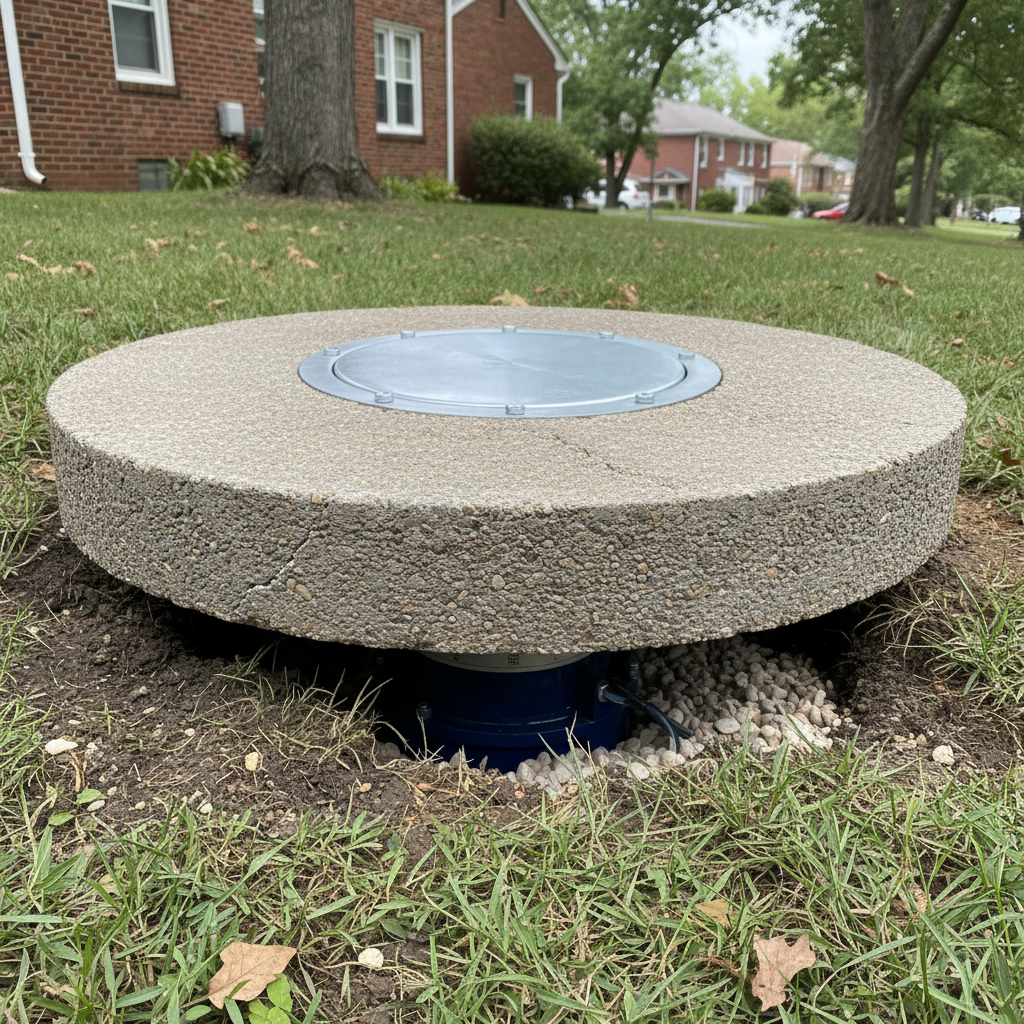
No water coming from your tap? That's a gut punch, I know. For folks relying on a well in places like Shepherd Park or out in Potomac, a dead pump means no showers, no flushing, no coffee. It’s a real headache. Before you throw in the towel or, worse, start tearing things apart, let's break down what you can check yourself and when you absolutely need to call in a professional like us at Charis Well Drilling.
Before You Grab the Wrench: Troubleshooting Basics
First things first, don't assume the worst right away. A lot of pump 'failures' are actually pretty simple fixes. You'd be surprised.
- Check the Power: This sounds obvious, but you'd be amazed how often I get calls where the issue is a tripped breaker. Go to your electrical panel. Is the breaker for your well pump flipped? Sometimes it's labeled 'well' or 'pump.' Flip it completely off, then firmly back on. If it trips again immediately, you've got a bigger electrical problem, and that's definitely a pro job.
- Look at the Pressure Switch: This little box is usually mounted on a pipe near your pressure tank. It has electrical wires going to it. Sometimes the contacts inside get corroded or a spider builds a nest in there. If you're comfortable, with the power OFF to the pump, you can gently remove the cover and look for obvious issues. Don't mess with the wiring unless you know what you're doing.
- Check Your Pressure Tank: Is it waterlogged? If you tap on it, does it sound full of water from top to bottom? It should sound hollow on top and full on the bottom. If it's completely full, your tank might need air, or the bladder could be ruptured. A waterlogged tank can make your pump short-cycle and burn out.
- Listen: Is the pump making any noise? A hum means it's getting power but might be seized. No sound at all means no power or a completely dead motor.
These are quick checks. If any of them point to a clear, simple fix, go for it. But if you're unsure, stop.
When You Can DIY (Carefully)
Okay, so you've done the basic checks. What's next for the ambitious homeowner?
- Pressure Switch Replacement: If you've confirmed your pressure switch is bad (e.g., contacts are burnt, or it's not engaging), and you're comfortable working with electricity (power OFF!), you can often replace it yourself. Make sure you buy the exact same type and pressure settings. Take a picture of the wiring before you disconnect anything. This is probably the most common DIY pump repair.
- Checking for Clogs: Sometimes, especially if you've had a lot of sediment in your well, a filter or even the pump's intake screen can get clogged. If your pump is above ground, you might be able to access and clean these. If it's a submersible pump, forget about it.
- Adding Air to a Pressure Tank: If your tank is waterlogged but the bladder isn't ruptured, you can often add air to the tank's Schrader valve (looks like a tire valve) using an air compressor. Make sure the pump is off and the system pressure is drained first.
These tasks require some mechanical aptitude and a healthy respect for electricity and water pressure. If you're not 100% confident, don't risk it. A mistake here can be costly or even dangerous.
When to Call a Pro (That's Us!)
Here's the honest truth: most well pump problems require specialized tools, knowledge, and sometimes, heavy equipment. Don't try to tackle these yourself.
- Submersible Pump Failure: If your pump is down in the well, you're not pulling that up yourself. It requires a well rig, specialized lifting equipment, and the expertise to diagnose what's wrong once it's out. Plus, you don't want to drop it back down the well. Trust me on this one.
- Electrical Issues Beyond the Breaker: If your breaker keeps tripping, or you've got weird voltage readings, that's an electrician's job, or a well tech who's also licensed for electrical work. Don't mess with mainline electrical.
- Low Well Yield or Contamination: If your well is running dry, or you suspect contamination, that's not a pump repair issue; it's a well issue. We'll need to assess the well itself, which might involve camera inspections or hydrofracking.
- Constant Pump Cycling: If your pump is turning on and off too frequently, it's usually a sign of a bad pressure tank, a leak in your system, or a failing pump. While you can check the tank, finding a leak in underground piping or diagnosing a failing pump motor is best left to someone with experience.
- No Obvious Cause: You've done all the basic troubleshooting, and you're still scratching your head. That's when you call us. We have diagnostic tools that can pinpoint issues quickly, saving you time and potentially more damage.
We've seen it all in DC, from pumps struggling with the clay soil out in Tenleytown to systems that haven't been looked at in decades. Sometimes, a 'repair' isn't worth it, and a replacement is the smarter, more economical long-term solution. A good well technician will give you that honest assessment.
So, do your basic checks. If it's a simple fix you're truly comfortable with, go for it. But for anything more complex, or if you're ever in doubt, don't hesitate to give Charis Well Drilling a call. We're here to get your water flowing again safely and efficiently.