Environmental Drilling Costs in DC: What to Expect & How to Save
Let's talk about environmental drilling costs here in Washington, DC. It's not like drilling a simple water well; there are a lot more variables at play, and frankly, it can get expensive if you don't know what you're looking at. As someone who's been in this business for years, I've seen plenty of projects, from small soil borings to complex monitoring well installations. You're probably looking for some concrete numbers, not just a vague 'it depends,' so let's get into it.
What Even Is Environmental Drilling, Anyway?
Before we dive into dollars, let's clarify. Environmental drilling isn't about finding water for your home. It's usually about investigating what's in the ground – soil, groundwater, or even vapor – to check for contamination. This could be for a property transaction, a regulatory requirement, or assessing a known spill. We're talking about things like:
- Soil borings to collect samples for chemical analysis.
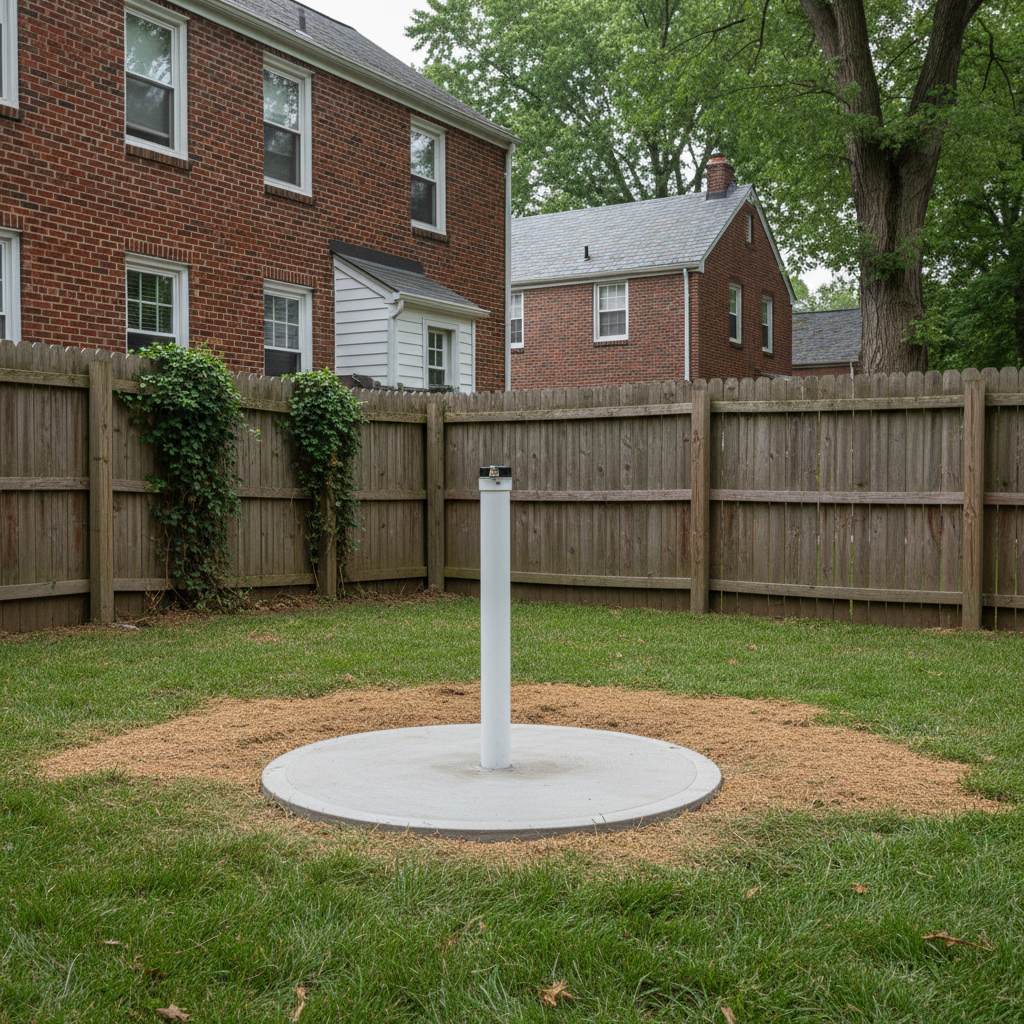
- Installing monitoring wells to sample groundwater over time.
- Geotechnical borings to understand soil stability for construction.
- Vapor probes to detect harmful gases underground.
Each of these has different requirements, and that's where the cost starts to diverge.
What Drives the Price Tag?
A few big factors really push the cost up or down. You need to understand these because they're what a good driller will consider when giving you a quote.
The Scope of Work
This is probably the biggest one. Are we talking about one shallow soil boring or ten deep monitoring wells? More holes, deeper holes, and more complex installations mean more time and materials. A single, shallow soil boring (say, 10-20 feet deep) might be a few hundred dollars. But a monitoring well installed to 50 feet with a proper surface completion and development? You're easily looking at $1,500 to $3,000 per well, sometimes more, depending on the geology and materials.
Site Access and Conditions
Can we get our rig right up to where we need to drill, or do we have to hand-auger or use specialized, smaller equipment? Is it paved, landscaped, or a wide-open field? If we're drilling under a building, or in a tight alleyway in Georgetown, that's a whole different ballgame than an open lot in Anacostia. Limited access means more labor and potentially more expensive, smaller rigs. Also, what's in the ground? If we hit rock, especially the hard bedrock we sometimes find around here, drilling takes longer and wears out bits faster, which adds to the cost.
Drilling Method
There are different ways to drill. Hollow stem auger is common and relatively fast for shallower work in softer soils. If we need to go deeper, or through rock, we might switch to mud rotary or air rotary, which are more involved. Direct push (Geoprobe) is great for shallow, quick sampling but can't handle everything. Each method has its own equipment and crew requirements.
Materials and Equipment
The type of casing, screen, filter pack, and bentonite seal for monitoring wells all factor in. Stainless steel is more expensive than PVC, but sometimes it's required. Then there's the cost of the drilling rig itself, support trucks, and all the tools. These aren't cheap to buy or maintain.
Waste Management
This is a big one that often gets overlooked. When we drill, we generate soil cuttings and potentially contaminated water. This waste can't just be dumped anywhere. It needs to be containerized (usually in 55-gallon drums or roll-off bins) and then properly disposed of at an approved facility. The cost of disposal, especially for hazardous waste, can be significant – sometimes hundreds of dollars per drum. You'll want to know if this is included in your quote or if it's an extra charge.
Permitting and Regulations
DC has its own set of rules, and sometimes you need permits from the Department of Energy & Environment (DOEE) or other agencies. Navigating these can take time and money, and a good driller will know what's required.
Typical Cost Ranges (Ballpark, Not a Guarantee!)
Alright, you want numbers. Keep in mind, these are rough estimates for the DC area and can fluctuate wildly based on the factors above.
- Shallow Soil Borings (10-20 ft, for sampling): $400 - $800 per boring.
- Monitoring Well Installation (2-inch PVC, 30-50 ft deep): $1,500 - $3,000 per well. This includes drilling, materials, installation, and development.
- Deeper Monitoring Wells (50-100 ft+): $3,000 - $6,000+ per well, especially if rock is encountered or specialized materials are needed.
- Geotechnical Borings (for soil stability): $500 - $1,200 per boring, depending on depth and sampling requirements.
- Direct Push/Geoprobe (shallow soil/groundwater samples): Often charged by the day, $2,000 - $4,000 per day, plus mobilization.
Remember, these are for the drilling and installation itself. They usually don't include the cost of environmental consulting, laboratory analysis of samples, or waste disposal unless explicitly stated.
What Should a Good Quote Include?
When you get a quote, make sure it's detailed. Don't just accept a lump sum. Here's what I'd expect to see from Charis Well Drilling, and what you should demand from anyone else:
- Mobilization/Demobilization: The cost to get the rig and crew to and from your site.
- Drilling Method & Footage Rate: How they plan to drill and the cost per foot.
- Materials: A breakdown of casing, screen, filter pack, bentonite, etc.
- Well Installation & Development: The labor for putting the well in and getting it ready for sampling.
- Site Restoration: How they'll leave the site (e.g., patching asphalt, replacing grass).
- IDW (Investigation Derived Waste) Handling: How they'll manage cuttings and purge water (e.g., drumming, staging). Disposal costs are often separate.
- Standby Time: What happens if there are delays on your end.
- Daily Rates: For crew and equipment if the project is open-ended.
How to Avoid Overpaying
You don't want to get fleeced. Here’s my advice:
- Get Multiple Quotes: Always get at least three. It helps you compare and understand the market.
- Be Specific About Your Needs: The more information you give the driller upfront, the more accurate their quote will be. Provide site maps, target depths, desired well construction, and any known subsurface conditions.
- Understand the Scope: Make sure you know exactly what's included and what's not. Ask about waste disposal, lab analysis, and permitting.
- Ask About Contingencies: What if they hit refusal? What if the ground is different than expected? A good driller will discuss potential extra costs upfront.
- Check References & Insurance: This is just good business. Make sure they're licensed and insured to work in DC.
Environmental drilling is a specialized service, and you're paying for expertise, proper equipment, and safety. Don't just go with the cheapest bid without understanding why it's cheap. Sometimes, a low bid means corners are being cut, and that could cost you a lot more down the line in regulatory fines or ineffective investigations. Do your homework, ask the right questions, and you'll get a fair deal for the work you need done.