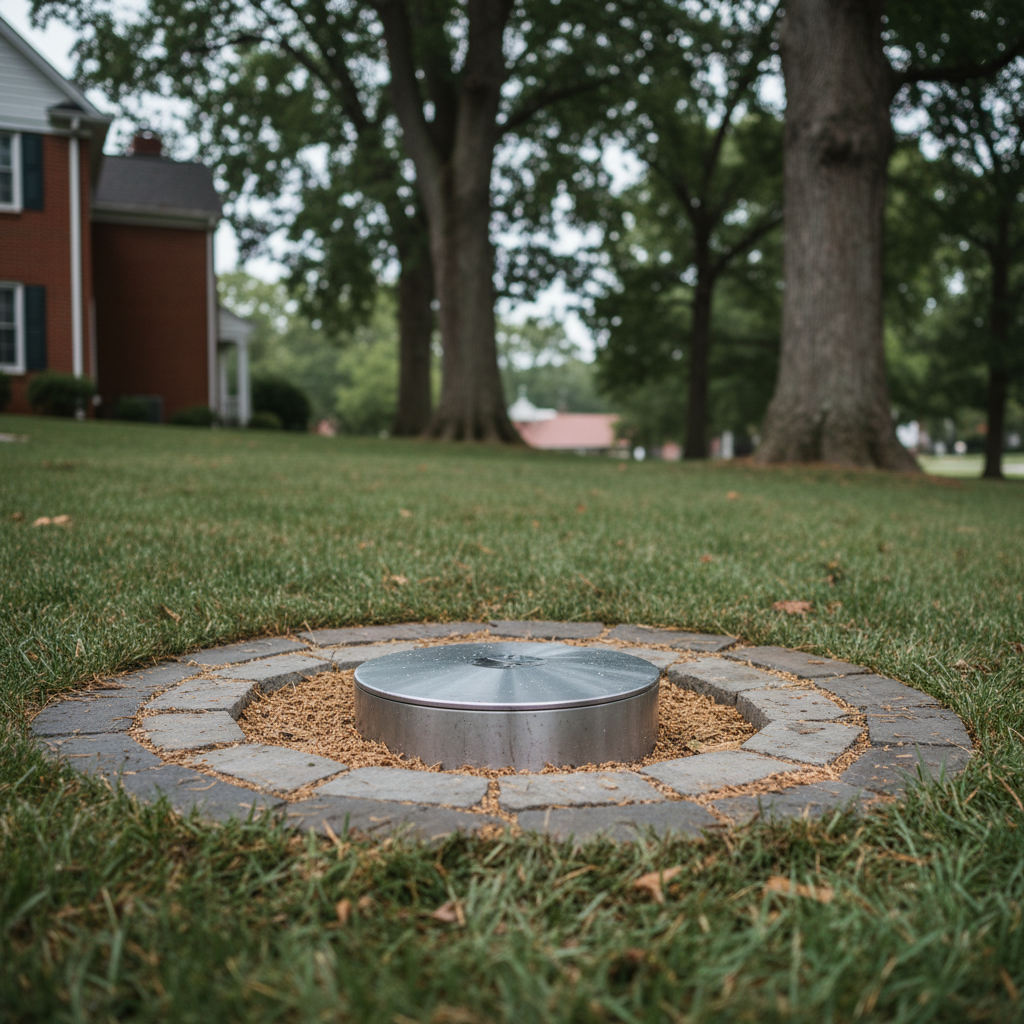
So, you're thinking about environmental drilling for your property. Maybe there are some old underground oil tanks lurking, or you're just plain worried about soil contamination from a previous owner. Whatever the reason, this is a serious undertaking, and you really need to go into it with your eyes wide open. This isn't like drilling a simple water well; there are a lot more layers to peel back. Let's talk about what you can realistically handle yourself and when you absolutely, positively need to bring in a pro.
Before the Drill Bit Even Starts to Spin
This is where you'll do most of your heavy lifting. You can't just wake up one morning and decide it's drilling day. There's a ton of planning and investigation that has to happen first. Your main job here? Gathering information and truly understanding *why* you're drilling in the first place.
- Dig into Your Property's History: This is huge, honestly. Did your house used to be a gas station? Was there a dry cleaner next door at some point? Old maps, property records, even just chatting with neighbors who've lived there forever can give you some serious clues. You're basically trying to piece together what might be hiding underground.
- Pinpoint the Problem (or Potential Problem): Are you specifically hunting for buried tanks? Trying to figure out if there's lead in the soil from old paint or some industrial runoff? Knowing what you're actually looking for helps define the whole scope of the project.
- Look Up Local Regulations: DC has some pretty strict rules, especially when anything might impact the Anacostia River or our precious groundwater. You'll definitely need to check in with the Department of Energy and Environment (DOEE). They're the folks who'll approve (or deny) your permits, and they'll tell you exactly what kind of testing and reporting you'll need to do. Don't, for goodness sake, skip this step. A quick phone call to their permitting office can save you a world of headaches and fines down the road.
- Budgeting: Environmental drilling isn't exactly cheap. You're paying for specialized equipment, skilled labor, lab analysis, and often, cleanup work. Get a realistic idea of costs early on, if you can.
What you can't do yourself at this stage? You can't interpret complex geological reports, you can't submit official permit applications without the right technical data, and you absolutely can't do the actual site assessments that require specialized tools and knowledge. Nope.
During the Drilling: What You'll See
Once all the permits are squared away and the plan is solid, that's when we, the drillers, actually show up. Your role during this phase is mostly to watch and offer support. You're the homeowner, after all, and we'll need you available for questions and access.
- Site Prep: Before we even get there, you'll need to make sure the site is clear. Move any cars, garden furniture, or anything else that might be in the way. We need clear access for our rigs, which are big and heavy, by the way.
- The Drilling Process: We'll use specific drilling methods depending on what we're looking for and what the soil is like. Here in DC, we often run into a mix of fill, clay, and sometimes even old foundations. This means we might use augers, sonic drilling, or even direct push methods to get soil or groundwater samples. We're not just punching a hole; we're carefully collecting samples at specific depths.
- Sample Collection: This part is critical. We'll collect soil, water, or even vapor samples. These samples are then carefully packaged and sent off to a certified lab for analysis. This isn't something you can do yourself; it takes specific protocols to avoid contamination and make sure the results are accurate.
- Safety First: Drilling sites are active construction zones. We'll have safety protocols in place, and you'll need to respect them. Stay clear of our equipment, and please don't interfere with the crew.
You're not operating the drill, you're not collecting samples, and you're certainly not doing the lab work. That's all specialized stuff that requires training and certification. Your job is to be there, observe, and ask questions if something isn't clear — no shame in that.
After the Drilling: What Happens Next
The drilling itself is just one piece of the puzzle. What happens with the samples and the site afterward is just as important, if not more so.
- Lab Analysis: This is where the samples finally tell their story. The lab will analyze them for whatever contaminants you're worried about – petroleum hydrocarbons, heavy metals, VOCs, you name it. This can take anywhere from a few days to a few weeks, depending on the tests.
- Report Interpretation: Once those lab results come back, a qualified environmental consultant will interpret them. They'll tell you if there's contamination, how much of it, and exactly where it is. This report is what you'll use to figure out your next steps.
- Remediation Planning (if needed): If contamination pops up, then you're looking at remediation. This could involve anything from removing contaminated soil to setting up systems to treat groundwater. This is a whole other project, and it's definitely not a DIY job.
- Site Restoration: After drilling, we'll backfill the boreholes according to regulations. We'll make sure the site is left as clean and safe as possible. You might need to do some landscaping to get your yard back to normal, though.
- Regulatory Compliance: The environmental consultant will help you submit all the necessary reports to DOEE and make sure you're in compliance with all local and federal regulations. This is super important for avoiding legal issues down the road.
So, what *can* you do after the drilling? You can read the reports (with help from your consultant), understand the findings, and make decisions about remediation. You can also handle the final landscaping to restore your property. But the technical interpretation, regulatory filings, and any actual remediation work? That's all professional territory, hands down.
Environmental drilling is complex, yes, but it's often necessary to protect your property and, frankly, the environment around us. Don't try to cut corners here. Get the right professionals involved from the very start. If you've got questions about the drilling process itself, or need to discuss a potential project, give us a call at Charis Well Drilling. We've been helping folks in the DC area navigate these waters for years, and we're always happy to share what we know.