What's Environmental Drilling Anyway?
So, you've heard the term 'environmental drilling' and maybe you're wondering if it's something you need to worry about as a homeowner here in DC. Let me tell you, it's not as scary as it sounds, but it is important if you suspect something's off with your property's soil or groundwater. Essentially, environmental drilling is all about taking samples from below the surface – soil, rock, or water – to figure out what's going on down there. We're looking for contaminants, trying to understand the geology, or checking groundwater flow. It's a diagnostic tool, plain and simple, like a doctor taking a blood test to see what's making you sick.
You might need this if you've got an old oil tank buried in your yard, or if there was a gas station nearby that's now gone, or even just if you're buying a property and the inspection flagged something suspicious. Here in places like Georgetown or even some of the older parts of Capitol Hill, you've got decades, sometimes centuries, of history buried under those foundations. Sometimes that history includes things that weren't so environmentally friendly back in the day.
Before We Even Think About Drilling
Before any drill bit touches the ground, there's a lot of homework to do. This isn't a DIY project, not even close. The first thing you'll need is a good environmental consultant. These folks are the brains of the operation; they'll do what's called a Phase I Environmental Site Assessment (ESA). They're looking at historical records, aerial photos, property deeds – anything that might hint at potential contamination. They're not drilling yet, just investigating. If that Phase I turns up red flags, then you're probably looking at a Phase II ESA, and that's when the drilling comes in.
Your consultant will design a sampling plan. They'll tell us where to drill, how deep, and what they're looking for. This isn't random. It's based on their research and understanding of potential contamination pathways. You'll also need to make sure all the necessary permits are in place with the District. Trust me, you don't want to start digging without the proper paperwork. It's a headache you don't need.
On your end, you'll want to clear the area where we'll be working. Think about access for our equipment – our rigs aren't tiny. Make sure there are no cars, patio furniture, or prize-winning rose bushes right where we need to be. Also, and this is crucial, you need to know where your underground utilities are. Gas lines, water pipes, electrical conduits, sprinkler systems – we absolutely cannot hit those. Call 811 before anyone even thinks about breaking ground. It's the law and it keeps everyone safe.
During the Drilling: What to Expect
When the Charis Well Drilling crew shows up, you'll see our rig. It's a specialized piece of equipment designed to get those samples cleanly and efficiently. We use different drilling methods depending on the soil conditions and what we're trying to achieve. Sometimes it's hollow stem auger, sometimes it's direct push technology. The consultant will specify what's best for your situation. DC soil can be tricky, with everything from old fill to natural clay and even some bedrock in spots, so we've got to be ready for anything.
We'll be collecting soil samples at specific depths, sometimes groundwater samples too. These samples are carefully preserved, labeled, and sent off to an accredited lab for analysis. This isn't something you can do yourself with a shovel and a Ziploc bag. The integrity of the sample is paramount for accurate results. We're trained to prevent cross-contamination and ensure everything is done by the book.
It's going to be a bit noisy, and there will be some disturbance to your yard. We do our best to minimize it, but we are drilling holes in the ground. We'll typically be on site for a day or two, depending on the scope of work. Your consultant will be there to oversee the sampling and make sure everything aligns with their plan.
After the Drilling: What Happens Next?
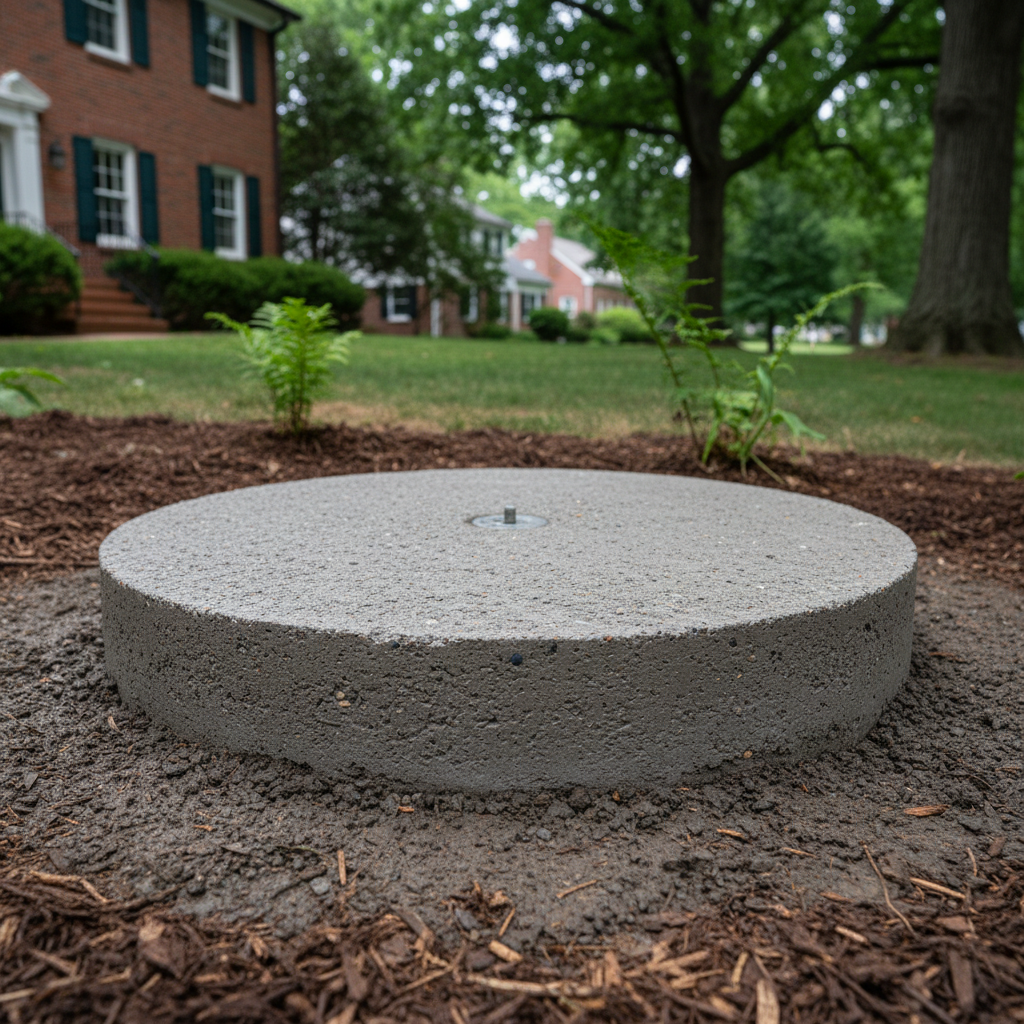
Once the drilling is done and the samples are off to the lab, we'll patch up the boreholes. We'll backfill them with bentonite grout or a similar material to seal them off, preventing any surface water from getting into the subsurface or contaminants from moving around. We'll do our best to make it look like we were never there, but you might see some minor settling over time, which is normal.
The real work for you starts when the lab results come back. Your environmental consultant will interpret those results. They'll tell you if there are contaminants, what they are, how much there is, and if it's above regulatory limits. This report is critical. It will outline any necessary next steps, which could range from