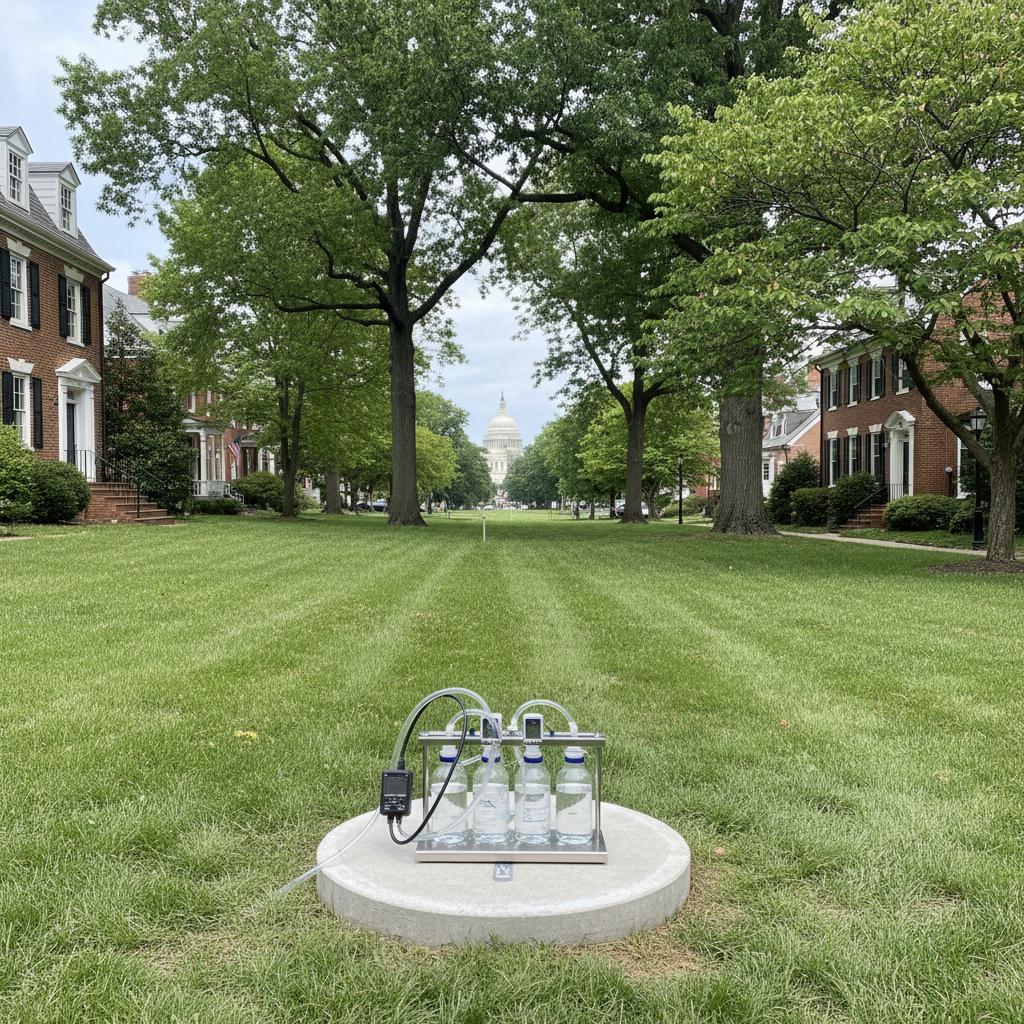
Hiring a well drilling contractor isn't like picking a landscaper. It's a big investment, and you're literally digging deep into your property. You want someone who knows what they're doing, someone you can trust. I've been in this business for years, right here in the DC area, and I've seen a lot. Here’s my take on how to find the right pro for your well project.
What to Ask Before They Even Give You a Price
You wouldn't buy a car without asking about its mileage, right? The same goes for your well driller. Don't be shy; these questions are important. They tell you a lot about a company's experience and how they operate.
- How long have you been drilling wells specifically in this region? This isn't just about general experience. Drilling in DC, especially with our varied geology – from the sandy soils near the Potomac to the harder bedrock further north – requires specific local knowledge. Someone who's only drilled in, say, flat, sandy Florida might really struggle here.
- Can you provide references from recent clients? And I don't mean just one or two. Ask for three or four, and actually call them. Ask about their experience, whether the project stayed on budget, and if there were any surprises.
- What kind of insurance do you carry? They need general liability, workers' compensation, and often specific drilling insurance. Ask for proof, not just a verbal assurance. If they're working on your property and something goes wrong, you want to be protected, don't you?
- What's your typical timeline for a project like mine? This helps set expectations. Drilling a well isn't an overnight job, and there can be delays due to weather or equipment. A good contractor will be upfront about this.
- How do you handle permits and local regulations? DC has its own rules, and they can be strict. A reputable driller will know exactly what permits are needed and how to get them. You don't want to be stuck with a project that's not up to code.
Decoding the Quote: What to Look For
Once you've got a few quotes, don't just compare the bottom line. You need to understand what's included, and more importantly, what's not. A cheap quote often means corners are being cut, and that'll cost you more down the road, trust me.
- Itemized Costs: A good quote will break down everything. You should see separate line items for drilling footage, casing material, pump installation, electrical work, trenching, well cap, and any necessary permits. If it's just one big number, walk away.
- Drilling Depth Estimates: They should give you an estimated depth range. This affects the overall cost significantly. Ask how they determine this estimate and what happens if they hit water sooner or deeper than expected.
- Materials Specified: What kind of casing are they using? What brand of pump? Don't settle for